
The Rise of Sustainable Design
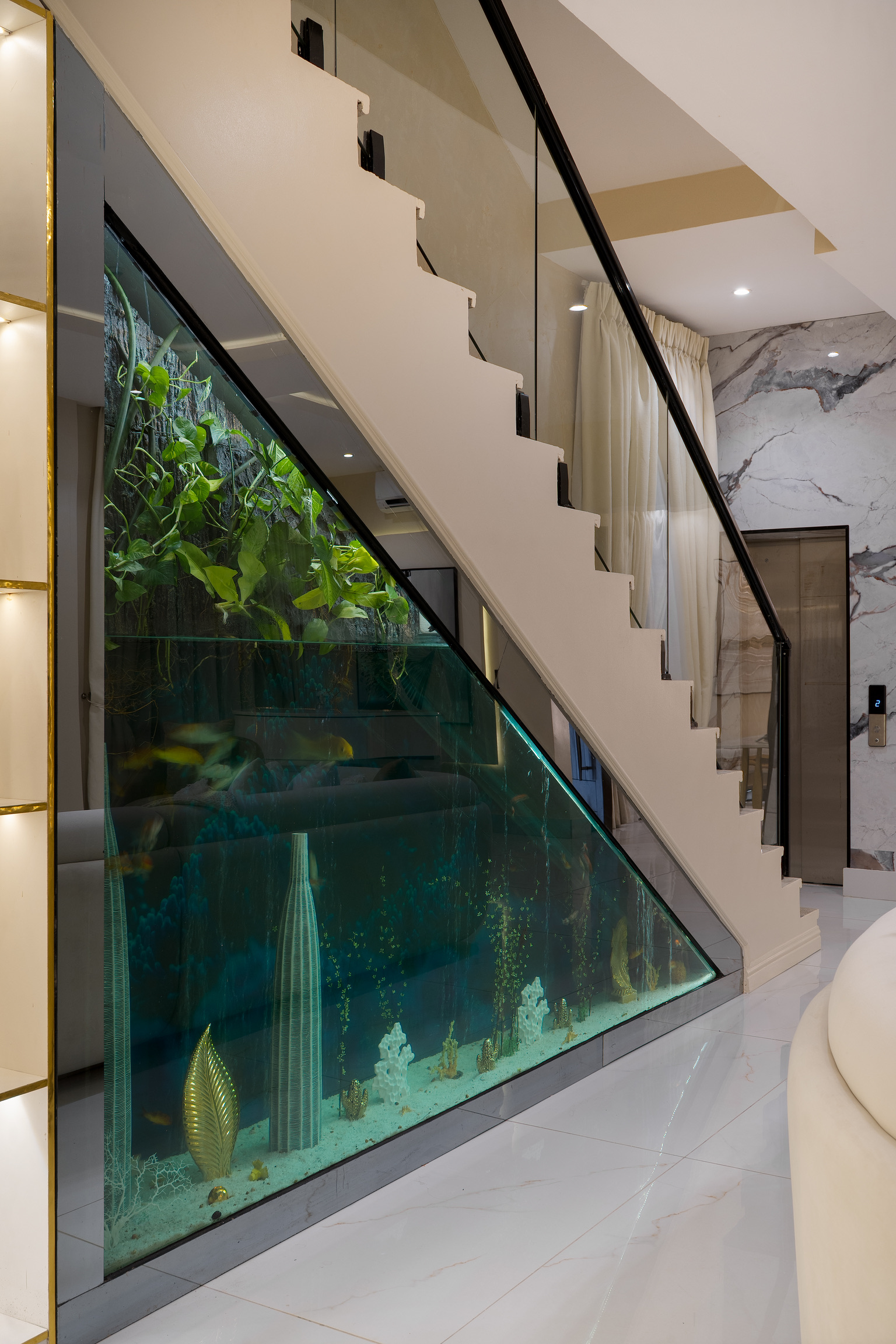
Sustainable design is no longer just a buzzword in the interior design world. It’s quickly becoming the centre of modern living. Most Homeowners are choosing eco-friendly interiors that not only look beautiful but also support healthier lifestyles and reduce environmental impact.
Sustainable interior design is changing the way we think about our homes, and the best part is that we are not compromising on style to create an environmentally conscious space.
Sustainable Interior design focuses on creating spaces that are stylish, functional, and environmentally safe. Sustainable Interior design promotes the use of materials, furniture, and decor that minimise waste, reduce energy use, and support sustainability.
Homeowners are becoming more intentional about the products and materials they buy and how they use them in their spaces. Instead of fast furniture and short-lived trends, many homeowners invest in timeless, versatile pieces made from natural or recycled materials.
This shift has made sustainable home decor one of the biggest interior design trends in recent times.
WHY IS SUSTAINABLE INTERIOR DESIGN POPULAR?
One of the biggest reasons for the rise of Sustainable interiors is increased awareness of climate change in our time. People are becoming increasingly aware of how materials and products can affect their environment. We want homes that look and feel good, without compromising their environments.
LED lighting can help reduce electricity bills, while durable furniture reduces the need for frequent maintenance and replacement.
Eco-friendly spaces are health-centred. Natural materials create a cleaner and healthier living environment for families.
Sustainable design is beyond what's pleasing to the eye; it's about creating spaces that support wellness, comfort, and smarter living.
Top Sustainable Interior Design Trends
1. Natural Materials
Natural materials come from plants, animals, or the earth. Materials like linen, cotton, bamboo, and rattan are becoming must-haves in modern interiors. They add warmth and texture to a space.
2. Eco-Friendly Lighting
LED lighting remains a major essential in eco-friendly homes because it consumes less energy and lasts much longer than conventional bulbs.
3 Investing in Timeless Furniture and Upcycling
Rather than buy fast furniture that goes out of style in a few years, as a homeowner, you go for timeless pieces. Opt to transform older pieces into something more functional and modern rather than store them away.
4. Biophilic Design
Nature isn't limited to just outside; it's also brought into homes. In sustainable interior design, houseplants are known not only for improving air quality but also for creating a calm, serene atmosphere.
5. Minimalist Living
The " less is more" mentality continues to influence sustainable home design. Cluttering is never safe for the environment. Minimalist interiors promote functionality and simplicity, reducing unnecessary consumption.
Sustainable Interior design is here to stay. It’s not just a trend but a major lifestyle shift. Creating an awareness of eco-friendly spaces and their effects on well-being.
Sustainable Interior design can help you create a space that is stylish, functional, and timeless—ensuring that our spaces are transformed and our environment is protected.