
Back to Blog

The A-r-t of Minimalism

Jima Christabel
The A-r-t of Minimalism

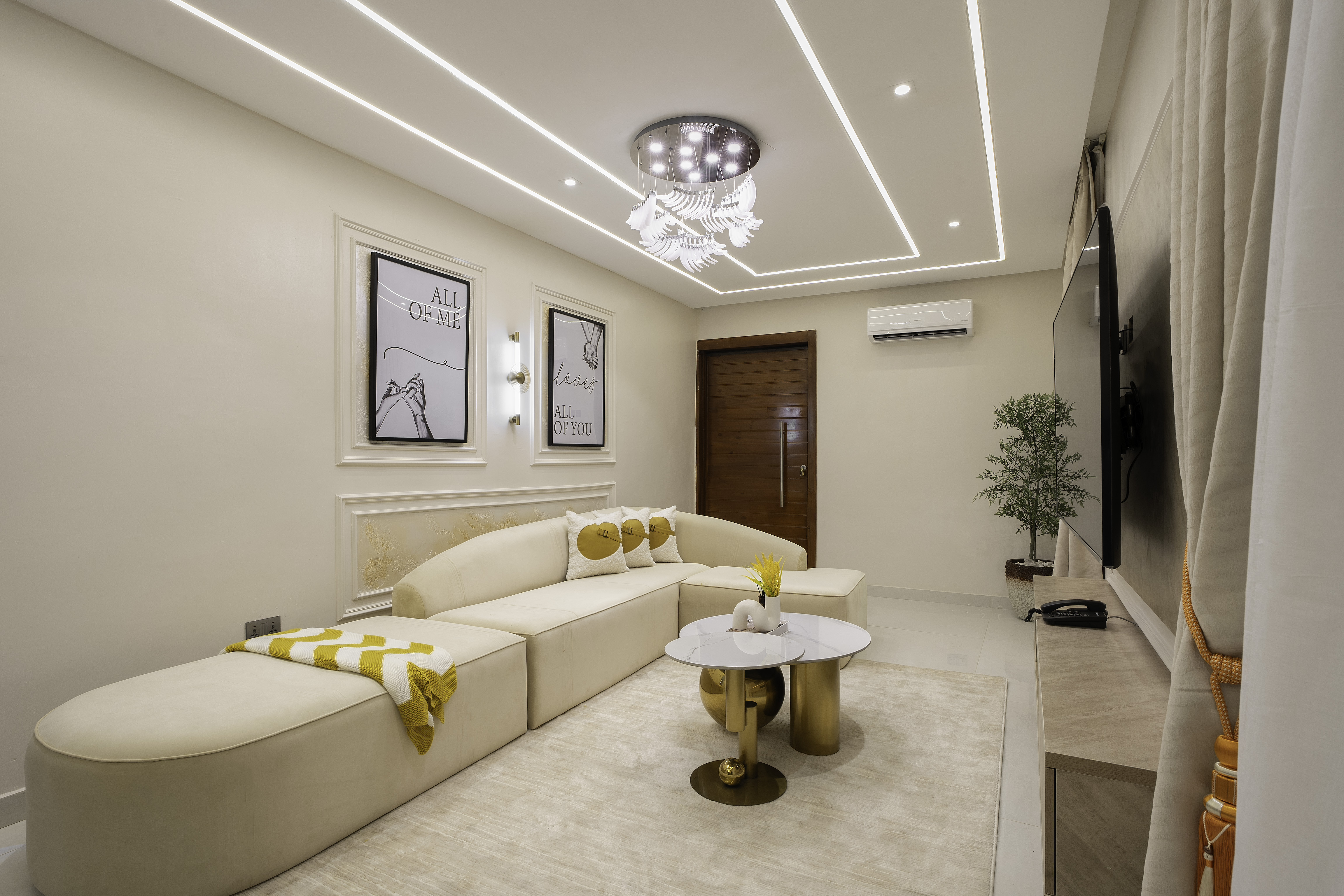
Minimalism has become one of the most important trends in modern interior design. The movement of less is more is more than just a design style but a lifestyle that prioritizes simplicity, functionality, and intentional living over unnecessary consumption. House owners are embracing minimalist interiors to create spaces that are visually appealing, calm, and organized for their well-being. 

Minimalism takes pride in removing what’s not needed and focusing on what truly matters in a space. Instead of overcrowding a room with furniture and decor, house owners ask, “What is needed? 

Minimalist interior designs serve both style and purpose. 

Why Minimalism is Becoming Popular 

One reason minimalist design is growing in popularity is its ability to create peaceful environments. We already live in a fast-paced world, which naturally leaves us feeling overwhelmed. Most Homeowners have no choice but to ensure that the place they retire to at the end of every day offers a calming experience. Cluttered spaces can feel overwhelming. 

Another reason it’s growing in popularity is that minimalism supports sustainability, rather than purchasing oversized, overpriced furniture or unnecessary decor. Homeowners invest in quality pieces that last longer, helping minimize waste, save money, and protect the environment. 

Another advantage is that minimalist spaces are easier to maintain. With fewer items in a room, cleaning and organizing feel like a walk in the park. 


ESSENTIALS OF MINIMALIST DESIGN 

  1. 1. Decluttering

At the core of minimalism is eliminating unwanted items in a space. You should learn to keep only purposeful items. A clutter-free room feels airy, spacious, and serene. 

2. Go for Versatility

Invest in versatile, timeless furniture and decor that embody comfort and functionality.  For example, having a coffee with built-in drawers that serve as storage for clothes and other items helps maximize space while maintaining a clean appearance. 

3. Use Neutral colors

Light colors create a bright, open space, which makes the area feel larger. 

The role of color in a minimalist interior design is major; it defines the overall aesthetic. 

Light shades like white, beige, soft grey, and pastel colors create an effect that makes a space look brighter 

The colors help bounce back natural light, creating a light and open atmosphere within the space.

4. Take Advantage of Natural Light 

Avoid using heavy curtains, as they block sunlight from entering your space. The space needs lightweight drapes that let in sunlight.

Placing a mirror across from a window creates a reflected light that makes the space appear more expansive.

5. Quality over Quantity 

The whole idea of minimalist interior design is to fill the space with statement pieces that elevate the overall look. 

Take advantage of textured fabrics, indoor plants, and wall art to add spice without overwhelming the space. 

The art of minimalism validates the idea that simplicity can both be classy and functional. Minimalist interior design doesn’t mean that the home would look empty; it’s about designing spaces that promote comfort, balance, and purposeful living. 

For anyone looking to refresh their home, embrace minimalism. Minimalism offers an elegant and sustainable approach to modern living.